 In March 2006, the Harvard Kennedy School published a working paper, “The Israel Lobby and U.S. Foreign Policy,” by influential political scientists John Mearsheimer and Stephen Walt. The paper, which ran in the London Review of Books and became the basis for a book published the following year, was an unflinching analysis of the impact of pro-Israel advocacy and lobbying groups on the U.S. political system, and the role of organizations like the American Israel Public Affairs Committee (AIPAC) in shaping U.S. foreign policy towards the Middle East.
Mearsheimer and Walt described a loose coalition of philanthropists, think tanks, advocacy groups, and Christian Zionist organizations that routinely pulled U.S. policy toward the Middle East away from America’s national interest, as the U.S. was being drawn into a military quagmire in Iraq. “Other special interest groups have managed to skew U.S. foreign policy in directions they favored,” Walt and Mearsheimer wrote, “but no lobby has managed to divert U.S. foreign policy as far from what the American national interest would otherwise suggest, while simultaneously convincing Americans that U.S. and Israeli interests are essentially identical.”
Even before the Kennedy School posted the paper online, the project had already spooked editors at The Atlantic, who originally commissioned the essay in the early 2000s. In an interview with Tucker Carlson earlier this year, Mearsheimer revealed that the editor of The Atlantic offered them a “$10,000 kill fee” if the publication didn’t print the article. Mearsheimer said, “That’s the fastest $10,000 we ever made.”
The paper was written by two highly esteemed scholars of international relations; Walt had been serving since 2002 as Academic Dean at Harvard’s Kennedy School, as prestigious an appointment as exists in the field, and Mearsheimer taught at the University of Chicago. But the backlash against it was swift, intense, and unusually public in the world of academia. A wave of news articles described the authors as antisemites, while the Anti-Defamation League weighed in to denounce what they called an “anti-Jewish screed.” The pressure became so intense that the Kennedy School removed its logo from the paper and added a disclaimer distancing the institution from its arguments.
More...

 International Glance
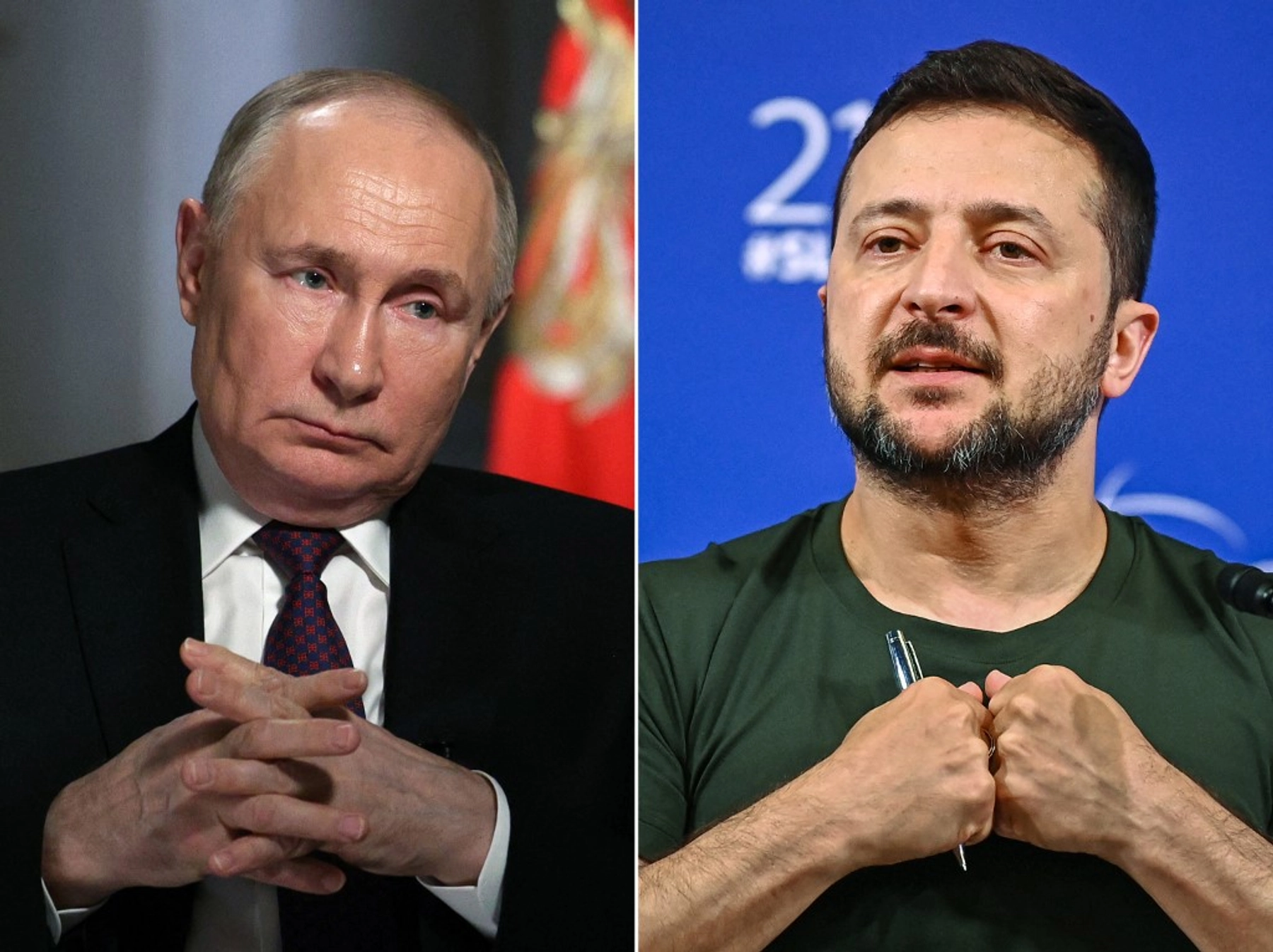 President Volodymyr Zelensky on Tuesday called for a complete end to Russia’s invasion of Ukraine – not just a pause in the fighting that has raged since February 2022 – ahead of US-Russia talks in Moscow centering on a peace plan aimed at ending Europe’s deadliest war since World War II.
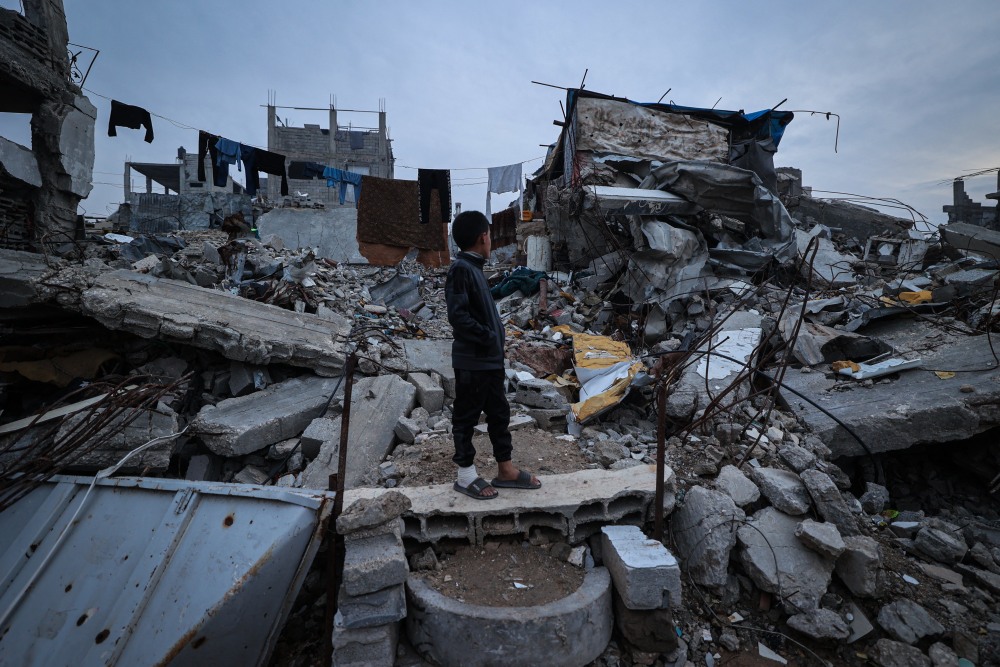 Israeli attacks in Gaza have killed more than 70,000 people in over two years of war, according to the Palestinian Health Ministry, as the death toll continues to climb despite the ongoing ceasefire.
 Israeli Prime Minister Benjamin Netanyahu has asked Israel's president to grant him a pardon during his long-running corruption trial that's bitterly divided the country.
 For more than four centuries, people believed it had vanished.
 Donald Trump’s special envoy Steve Witkoff told a senior Kremlin official last month that achieving peace in Ukraine would require Russia gaining control of Donetsk and potentially a separate territorial exchange, according to a recording of their conversation obtained by Bloomberg.