


 Bernard LaFayette, the advance man who did the risky groundwork for the voter registration campaign in Selma, Alabama, that culminated in the passage of the Voting Rights Act of 1965, has died.
Bernard LaFayette III said his father died Thursday morning of a heart attack. He was 85.
On 7 March 1965, the beating of future congressman John Lewis and voting rights marchers on Selma’s Edmund Pettus Bridge led the evening news, shocking the nation’s conscience and pushing Congress to act. But two years before “Bloody Sunday”, it was LaFayette who quietly set the stage for Selma and the advances in voting rights that would follow.
LaFayette was one of a delegation of Nashville students who in 1960 helped found the Student Nonviolent Coordinating Committee, which organized desegregation and voting rights campaigns across the south. SNCC crossed Selma off its map after some initial scouting determined “the white folks were too mean and the Black folks were too scared”, LaFayette said.
But he insisted on trying anyway. Named director of the Alabama voter registration campaign in 1963, LaFayette moved to the town and, with his former wife, Colia Liddell, gradually built the leadership capacity of the local people, convincing them change was possible and creating momentum that could not be stopped. He described this work in a 2013 memoir, In Peace and Freedom: My Journey in Selma.
 President Donald Trump announced March 5 he was replacing Homeland Security Secretary Kristi Noem after lawmakers grilled her this week about a $220 million ad campaign that featured her prominently.
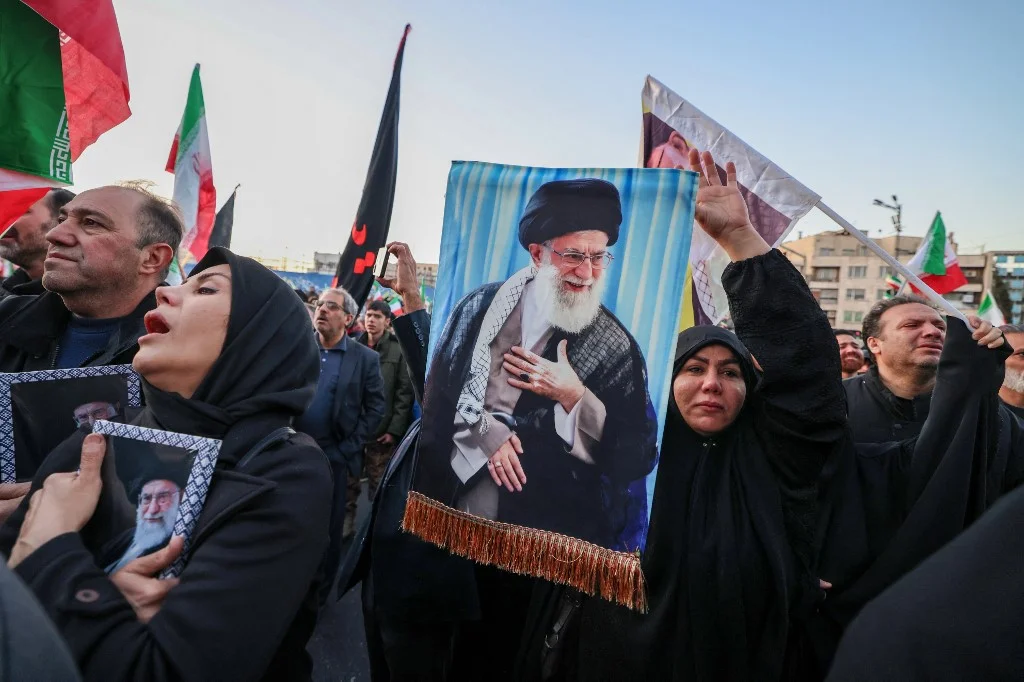 “On the US calendar it’s still March 4,” Jabbarli said, “but so much happens in a single day that sometimes it would normally take months or years.”
 State Rep. James Talarico defeated U.S. Rep. Jasmine Crockett of Dallas in the Texas Senate primary Tuesday, March 3 in a battle of two national Democratic rising stars.
 Israel closed all crossings into Gaza indefinitely when it attacked Iran, imposing a siege that has already pushed up food prices and threatens to plunge 2 million people into a new hunger crisis.
 US President Donald Trump said his “biggest surprise” since unleashing a war in the Middle East has been Iran’s attacks on the Arab Gulf states, which the US counts as some of its closest and richest partners.