



Johnson & Johnson said it was recalling more than 700,000 bottles or packages of Tylenol and other consumer medicines made at a now-closed plant, the latest in a litany of recalls by the company.
J&J's McNeil Consumer Healthcare unit recalled one lot of Tylenol 8 Hour Extended Release Caplets, or 34,056 bottles, from retailers, the company said. The company cited a musty odor that has prompted many other J&J recalls. The product was made at its Fort Washington, Pennsylvania plant before J&J closed the facility in April 2010.



 Gov. Scott Walker's administration is no longer collecting dues on behalf of state unions and as of Sunday began charging employees more for health care and their pensions, even though nonpartisan legislative attorneys say the changes are not yet law.
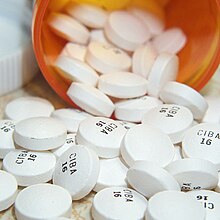 When a drug to prevent babies from being born too early won federal approval in February, many doctors, pregnant women and others cheered the step as a major advance against a heartbreaking tragedy. Then they saw the price tag.
 An environmental group will tell a Senate panel Tuesday that it has identified 42 suspected clusters of cancer, birth defects and other illnesses in 13 states.

 A former U.S. State Department spokesman said Monday he does not regret criticizing the treatment of Army Pvt.