Political Glance
A grand jury in Virginia indicted New York Attorney General Letitia James on Thursday, marking the second Trump foe to face federal prosecution in recent weeks.
James was charged with one count of bank fraud and one count of making false statements to a financial institution. The indictment alleges that James bought a house in Norfolk, Virginia, in 2020 with a mortgage that required her to use it as a second home, but she ultimately rented it to a family and used it as an investment property. It accuses her of misrepresenting how the house was used to get a more favorable interest rate.
Lindsey Halligan, the acting U.S. attorney for the Eastern District of Virginia, said in a statement: "No one is above the law. The charges as alleged in this case represent intentional, criminal acts and tremendous breaches of the public's trust."
James called the charges "baseless" in a video statement.
"This is nothing more than a continuation of the president's desperate weaponization of our justice system," she said.
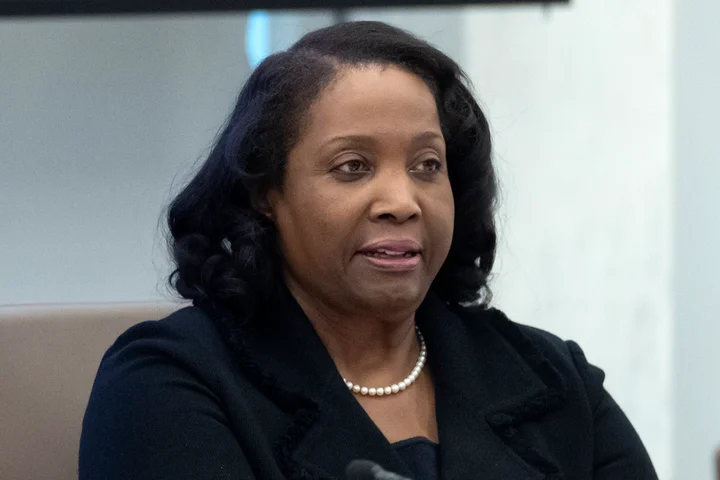 A loan estimate for an Atlanta home purchased by Lisa Cook, the Federal Reserve governor accused of mortgage fraud by the Trump administration, shows that Cook had declared the property as a “vacation home,” according to a document reviewed by Reuters.
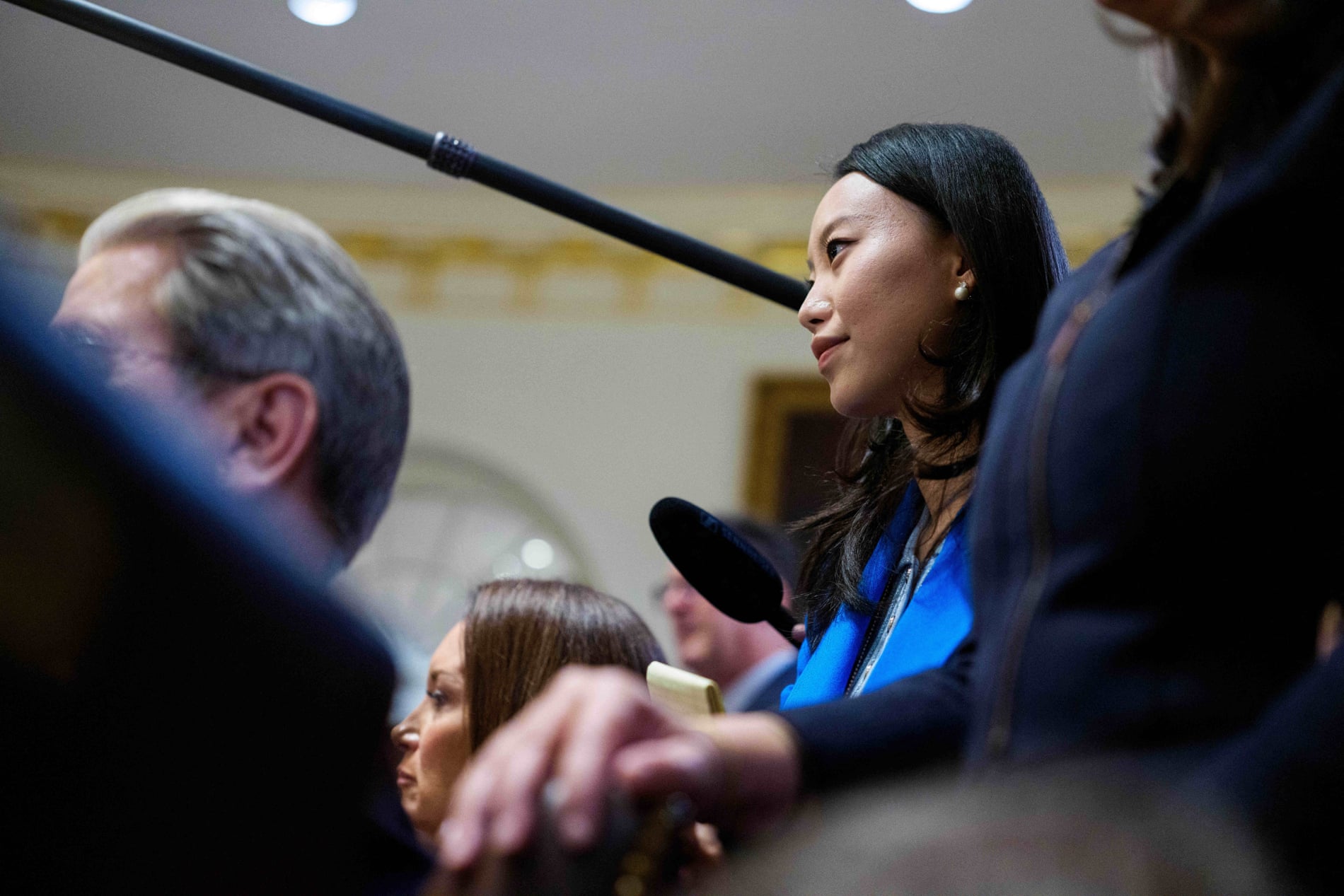 Since the White House press office selected reporters from five pro-Trump, partisan news outlets to ask the president questions during his televised cabinet meeting on Tuesday, readers will not be shocked to learn that they largely avoided subjects he would prefer not to talk about.
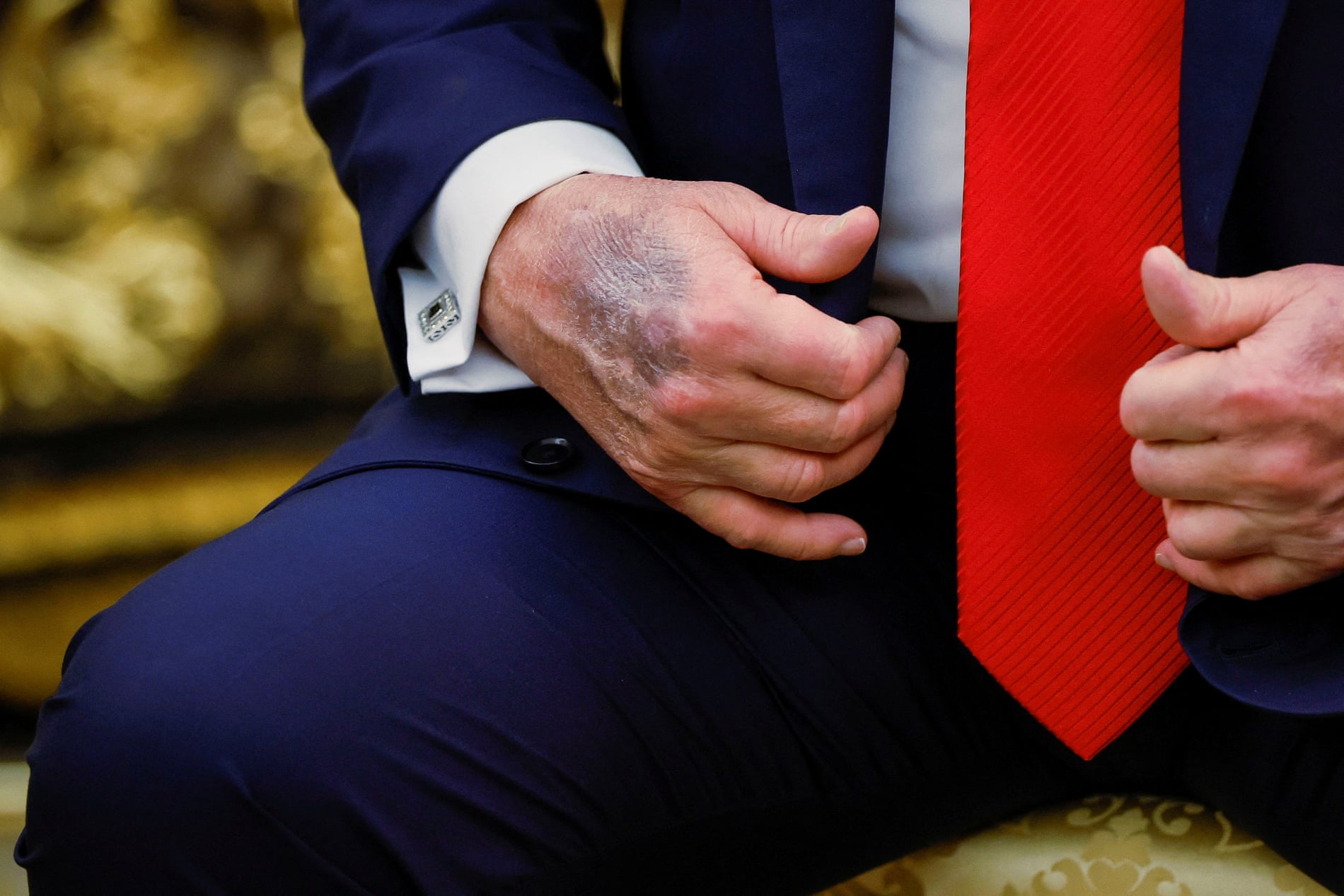 A large bruise on the back on Donald Trump’s right hand, which the president appeared to be hiding, poorly, under a daub of makeup last week, was clearly visible during public appearances on Monday, renewing speculation that the White House might be concealing information about his health.