Health Glance
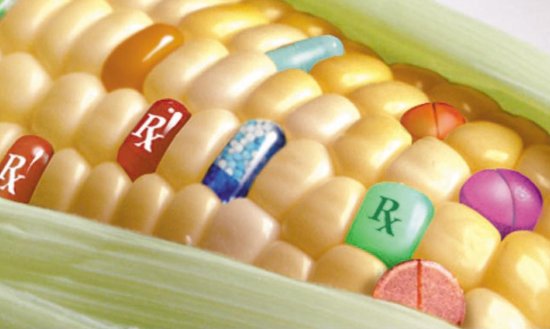 One of the two active ingredients that made up Agent Orange is 2,4-D. Despite what Agent Orange did to Vietnam and the Vietnamese people, not to mention a generation of American soldiers, 2,4-D is currently the most widely used herbicide in the world, and the third most commonly used in North America. But apparently we aren’t using this poison enough. By using seeds engineered to withstand it, much more can be applied to our soil and crops.
Why Do We Want to Spray More Agent Orange on Our Crops? Are We at War with Ourselves (and Our Children)?
Thyroid medical scans use radioactive dye, now linked to permanent thyroid damage
 Cardiac computed tomography (CT) and other medical scans sometimes involve injecting a radioactive iodide dye into the bloodstreams of patients in order to highlight the produced images. But a new study published in the journal Archives of Internal Medicine has revealed that this radioactive dye can cause permanent thyroid damage, as well as cancer.
It would seem obvious that pumping doses of radioactive iodide dye hundreds of times higher than the maximum recommended daily exposure level of 150 micrograms (mcg) into patients' veins is a bad idea on all accounts. After all, the thyroid gland will uptake radioactive iodide in place of nutritive iodine when too much of it is present, which was a primary concern after the Fukushima nuclear disaster.
Proof that the cancer industry doesn't want a cure - even if it's a pharmaceutical
 A safe and effective cure for cancer has been discovered with a drug that was once used for unusual metabolic problems. Yet, the cancer industry shows no interest with following up on dichloroacetate (DCA) research from University of Alberta in Edmonton, Canada, reported in 2007. That's because DCA is no longer patented.
Cell Phones, EMF Negatively Altering Important Regions of the Brain
 Researchers found that 143 proteins in the brain were negatively impacted by radio frequency radiation over a period of 8 months. A total of 3 hours of cell phone exposure were simulated over the 8 month time period, and the results showed that many neural function related proteins’ functional relationship changed the for worse.
Arizona to open legal medical pot center

Compassion First Caregivers Circle Inc. set up the growing center in Phoenix, equipped with sodium lights, duct systems and other features necessary to cultivate the only medicine some patients say works for chronic pain associated with arthritis, cancer and other maladies, The Arizona Republic reported Friday.
Frying Food ‘Doesn't Increase Heart Disease Risks' Claims Study
 A new study has discovered that those who fry their food in sunflower or olive oil, aren’t increasing their risks of heart disease, contrary to popular belief.
"In a Mediterranean country where olive and sunflower oils are the most commonly used fats for frying, and where large amounts of fried foods are consumed both at and away from home, no association was observed between fried food consumption and the risk of coronary heart disease or death,” the study wrote in the British Medical Journal (BMJ).
Aluminum + Fluoride = Alzheimer’s and Dementia
 The latest edition of the peer-reviewed medical journal, Brain Research, (vol.784:l998), reveals that aluminum-induced neural degeneration in rats is greatly enhanced when the animals were fed low doses of fluoride. The presence of fluoride enhanced the bio-availability of aluminum (Al) causing more aluminum to cross the blood-brain barrier and become deposited in the brain. The aluminum level in the brains of the fluoride-treated group was double that of the controls.
More Articles...
Page 83 of 234