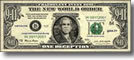



Republicans control the Michigan state legislature. It was the perfect opportunity to push through laws limiting union power and labor rights for public-sector workers. So, they did. Michigan is now the 24th state out of 50 designated as a "right-to-work" state.
For critics, this act translates into a "right-to-fire-and-treat-workers-anyway-we-want" law. Critics will also know that Republicans and their fat cat constituents are no doubt all smiles with today's action in the House of Representatives, a push they began last week in the Senate.
Alex Baer: Good Thing We Still Have One Left
Gov. Rick Snyder makes Michigan 24th right-to-work state
Gov. Rick Snyder said today he has already signed right-to-work legislation into law, soon after the House passed it earlier today.
The word historic kept coming up Tuesday as the state House of Representatives considered and ultimately passed controversial right-to-work legislation for public- and private-sector employees.
It was a historically large crowd outside, estimated at 12,500 people by police. Most of the folks were loudly protesting the bills that would make it illegal to require a financial contribution to a union as a condition of employment. Plenty of right-to-work supporters were on hand, too, leading to heated words between the pro- and anti-forces, and the dismantling of tents erected to shield the right-to-work supporters.
Big Beef: Industry fights back using money, science
 It was here in this thriving New England town that America’s love affair with beef started to lose its sizzle. It was here a half-century ago that obesity, high blood pressure and high cholesterol levels were all identified as risk factors for heart disease.
Indeed, it was here that scientists coined the term “risk factor,” triggering the deluge of nutrition research that keeps beef from being “what’s for dinner” in many households.
Poisoning the Well: How the Feds Let Industry Pollute the Nation’s Underground Water Supply
Federal officials have given energy and mining companies permission to pollute aquifers in more than 1,500 places across the country, releasing toxic material into underground reservoirs that help supply more than half of the nation's drinking water.
In many cases, the Environmental Protection Agency has granted these so-called aquifer exemptions in Western states now stricken by drought and increasingly desperate for water.
EPA records show that portions of at least 100 drinking water aquifers have been written off because exemptions have allowed them to be used as dumping grounds.
Alex Baer: Time Out for the Wild Side of Life
We're looking in on some of those ubiquitous, Year-End summaries, letting them out of their cages and urging them to stretch their legs -- to take wing a bit early this December. Call it a seasonal lark.
It's not that we're likely to forget these tales (we have memories like elephants). There's just a good supply of animal tales squirreled-away in our cache: Dogs and deer, whales and flies, ducks, cats, elephants, even a sort-of giraffe.
Drug overuse in cattle imperils human health
 Two kids seriously injured in the Joplin, Mo., tornado in May 2011 showed up at Children’s Mercy Hospital in Kansas City suffering from antibiotic-resistant infections from dirt and debris blown into their wounds.
Physicians tried different drugs, but at first nothing seemed to work. Blame the overuse of antibiotics in livestock, according to the doctors familiar with their cases. “These kids had some really highly resistant bacteria that they clearly had not picked up in a hospital,” said Jason Newland, director of the Children Mercy’s antibiotic stewardship program.
Afghanistan Teenagers Detained By U.S. Military
 The U.S. military has detained more than 200 Afghan teenagers who were captured in the war for about a year at a time at a military prison next to Bagram Airfield in Afghanistan, the United States has told the United Nations.
The U.S. State Department characterized the detainees held since 2008 as "enemy combatants" in a report sent every four years to the United Nations in Geneva updating U.S. compliance with the U.N. Convention on the Rights of the Child.
NY mostly ignored reports warning of superstorm
 More than three decades before Superstorm Sandy, a state law and a series of legislative reports began warning New York politicians to prepare for a storm of historic proportions, spelling out scenarios eerily similar to what actually happened: a towering storm surge; overwhelming flooding; swamped subway lines; widespread power outages. The Rockaway peninsula was deemed among the "most at risk."
But most of the warnings and a requirement in a 1978 law to create a regularly updated plan for the restoration of "vital services" after a storm went mostly unheeded, either because of tight budgets or the lack of political will to prepare for a hypothetical storm that may never hit.
Alex Baer: Now, Before You Settle In and Get Too Comfy...
You know how it is: It's Saturday, and, in your mind's eye, you're vacationing in the tropics, surfing via your motherboard, running fast along topical waves of interest in the vast internet ocean, hooked on something or other you find titanically interesting, when you strike the unexpected iceberg, snapping to a halt with a sickening lurch.
All you can manage to do is stare numbly and in shock at the screen, dead in the water, dumbstruck and adrift in your one-person lifeboat, and without so much as first aid kit, water, rations, or a flare gun. Or Dramamine.
Page 403 of 1167