

 At least four people were killed and 10 others were wounded in a shooting at a family party in Stockton, California, on Nov. 29, according to local police.
Gunfire erupted inside a banquet hall in California’s Central Valley, where a family had gathered to celebrate a child’s birthday party, the San Joaquin County Sheriff’s Office said.
Several of the 14 victims, including children and adults, were taken to local hospitals. Four have been confirmed dead. Heather Brent, a spokesperson for the sheriff’s office, said early indications suggest the shooting may have been a “targeted incident.” Police are still searching for the shooting suspect.
Here’s what we know so far.
What happened?
As of 9 a.m. ET Nov. 30, Brent told USA TODAY, the sheriff’s office had limited information about the shooting.
Police received reports of gunfire at the banquet hall shortly before 6 p.m. Nov. 29. The shooting broke out during a child’s birthday party, Brent said. It occurred at a shopping mall complex that includes a Dairy Queen, a donut shop and an Asian restaurant.
San Joaquin District Attorney Ron Frietas said at a Nov. 29 news conference, shortly after the incident, that the suspect was still at large. Officials asked anyone with information to contact the sheriff’s office.
“This is a very active and ongoing investigation," Brent said at the news conference.
 Donald Trump’s special envoy Steve Witkoff told a senior Kremlin official last month that achieving peace in Ukraine would require Russia gaining control of Donetsk and potentially a separate territorial exchange, according to a recording of their conversation obtained by Bloomberg.
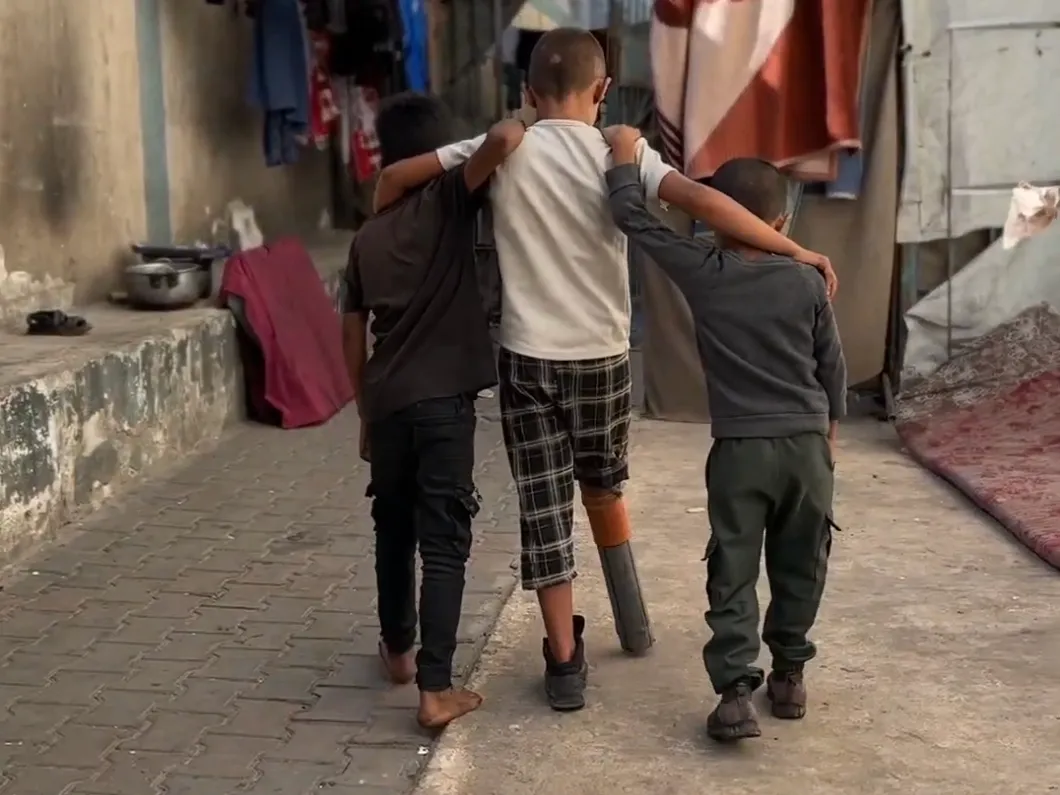 Ten-year-old Rateb Abu Qleiq sat in a rusted chair in front of his tent in Deir al-Balah. As he spoke, he unconsciously swung his right leg, which was amputated just below the knee, back and forth—the stub tracing a short arc in the air. On his lap he cradled a makeshift prosthetic, nothing more than a piece of plastic sewage pipe outfitted with an orange covering secured by a piece of string.
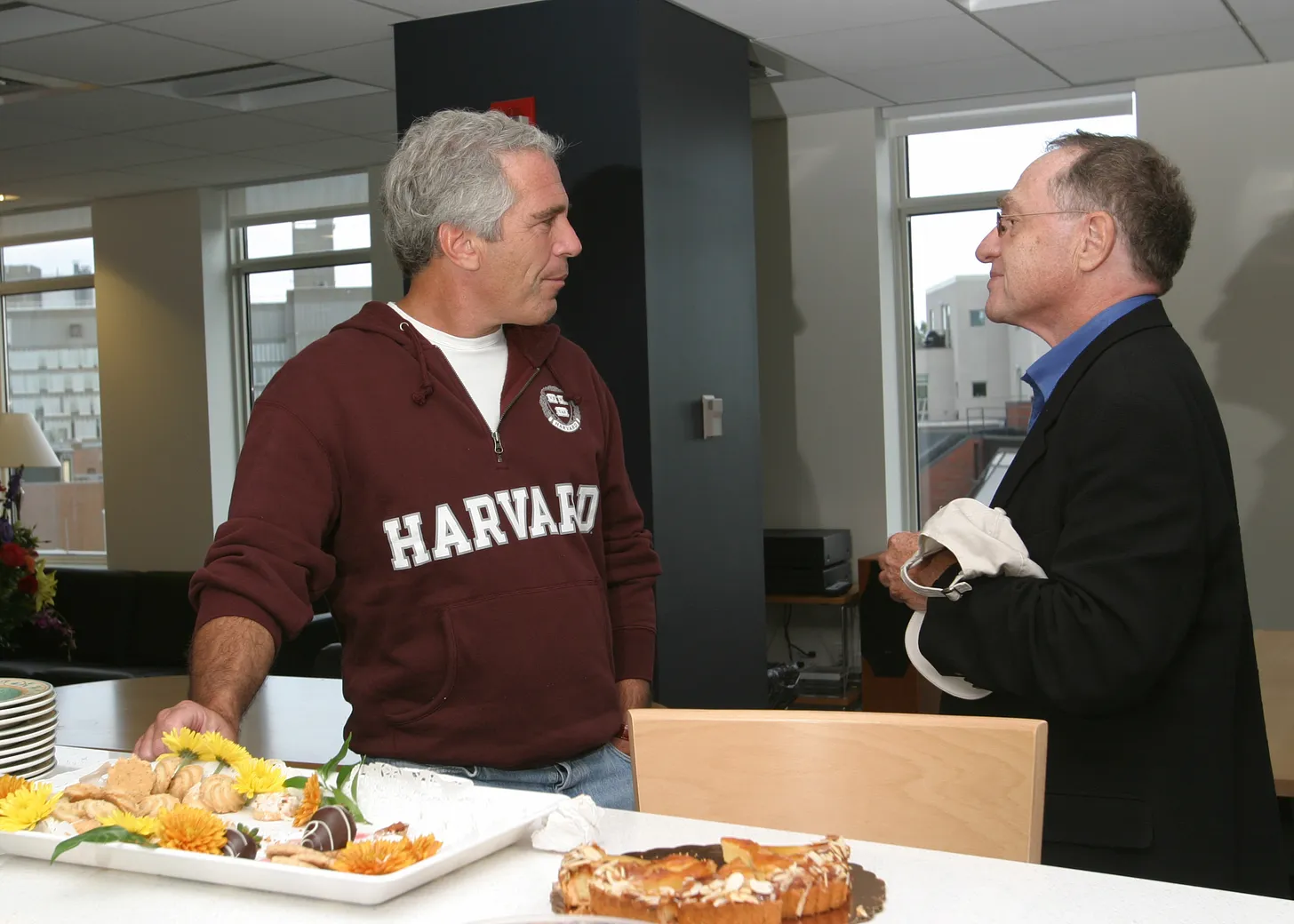 In March 2006, the Harvard Kennedy School published a working paper, “The Israel Lobby and U.S. Foreign Policy,” by influential political scientists John Mearsheimer and Stephen Walt. The paper, which ran in the London Review of Books and became the basis for a book published the following year, was an unflinching analysis of the impact of pro-Israel advocacy and lobbying groups on the U.S. political system, and the role of organizations like the American Israel Public Affairs Committee (AIPAC) in shaping U.S. foreign policy towards the Middle East.
 The Trump administration is framing its boat strikes against drug cartels in the Caribbean in part as a collective self-defense effort on behalf of US allies in the region, according to three people directly familiar with the administration’s internal legal argument.
 Israeli Prime Minister Benjamin Netanyahu and other officials reiterated their intention to block future Palestinian statehood ahead of the United Nations Security Council vote to authorize the U.S. plan for post-war Gaza on Monday.
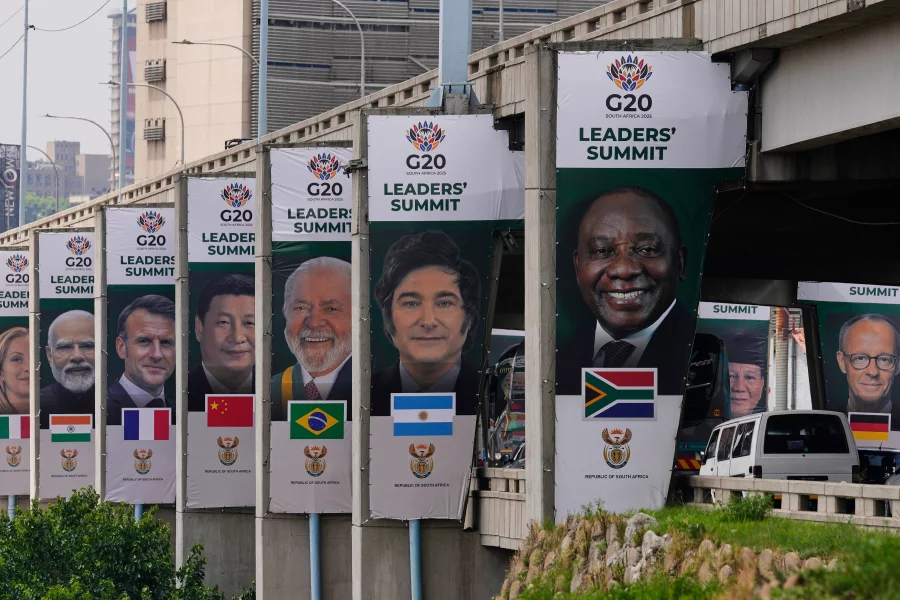 The world's biggest economy will be conspicuously absent from a meeting of the globe's 20 richest nations this weekend, as the U.S. boycotts the G20 Leaders' Summit hosted by South Africa.
 Donald Trump said on Friday night that he’s “immediately” terminating temporary legal protections for Somali migrants living in Minnesota, further targeting a program seeking to limit deportations that his administration has already repeatedly sought to weaken.