Health Glance
 True, many test subjects treated with the medication felt their hopelessness and anxiety lift. But so did nearly the same number who took a placebo, a look-alike pill made of milk sugar or another inert substance given to groups of volunteers in clinical trials to gauge how much more effective the real drug is by comparison. The fact that taking a faux drug can powerfully improve some people's health - the so-called placebo effect - has long been considered an embarrassment to the serious practice of pharmacology.
The fact that an increasing number of medications are unable to beat sugar pills has thrown the industry into crisis. The stakes could hardly be higher.
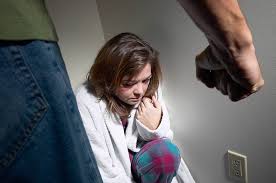 The practice of Insurance companies denying claims on the basis of pre-existing conditions is nothing new. Using domestic abuse as justification for denying a claim is nothing new either. According to the Huffington Post article the categorization of domestic abuse as a pre-existing condition dates to before 2006, the year members of Congress attempted to block its practice.
 Failure to agree a new UN climate deal in December will bring a "global health catastrophe", say 18 of the world's professional medical organisations.
 In the last five years alone, chemical factories, manufacturing plants and other workplaces have violated water pollution laws more than half a million times. The violations range from failing to report emissions to dumping toxins at concentrations regulators say might contribute to cancer, birth defects and other illnesses.
 You might as well ask how you can join a foxhunt in Islington or buy condoms in the Vatican. But in fact what you want to know should be the most important thing about the phone you will press to your ear. Evidence is increasing that radiation from handsets presents a cancer hazard, particularly to children and to those who use their phones for more than a decade.