Health Glance
 After months of stalling, the World Health Organization (WHO) has finally revealed the names of key pandemic advisors who influenced its decision to declare a phase six pandemic last year -- a decision that resulted in a financial windfall for vaccine manufacturers. As you'll see here, that list includes at least five expert advisors received money from vaccine companies.
WHO list reveals flu advisors with financial ties to pharma, vaccine manufacturers
Aspartame And MSG Make You Fat, Cause Depression
 The liver then breaks down or metabolizes aspartame to its toxic components - phenylalanine, aspartic acid and methanol. This process requires a lot of energy from the liver which means there will be less energy remaining in the liver cells. This means the liver cells will have less energy for fat burning and metabolism, which will result in fat storing. Excess fat may build up inside the liver cells causing "fatty liver" and when this starts to occur it is extremely difficult to lose weight. In my vast experience any time that you overload the liver you will increase the tendency to gain weight easily.
Executives at health insurance giants cash in as firms plan fee hikes
 The top executives at the nation's five largest for-profit health insurance companies pulled in nearly $200 million in compensation last year — while their businesses prepared to hit ratepayers with double-digit premium increases, according to a new analysis conducted by healthcare activists.
British doctors warn new superbug could spread
 British scientists have found a superbug that is resistant to most antibiotics and are warning that it is widespread in India and could soon appear worldwide. The superbug has so far been identified in 37 people who returned to the U.K. after undergoing surgery in India or Pakistan.
In an article published online Wednesday in the journal Lancet Infectious Diseases, doctors reported finding a new gene, called NDM-1. The gene alters bacteria, allowing them to become resistant to nearly all known antibiotics. It has been seen largely in E. coli bacteria, the most common cause of urinary tract infections, and on DNA structures that can be easily copied and passed onto other types of bacteria.
Study: Age that girls hit puberty keeps dropping
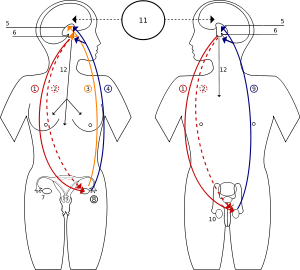 Researchers led by Frank Biro, director of adolescent medicine at Cincinnati Children's, found that the number of 7- and 8-year-old girls with breast development was higher than found in studies conducted 10 to 30 years earlier.
Other health risks, including endometrial cancer, eating disorders and depression, are associated with earlier puberty and maturation. Behavioral issues, including earlier sexual activity, have also been noted.
Fluoride water 'causes cancer'
 New American research suggests that boys exposed to fluoride between the ages of five and 10 will suffer an increased rate of osteosarcoma - bone cancer - bet-ween the ages of 10 and 19.
The increased cancer risks, identified in a newly available study conducted at the Harvard School of Dental Health, were found at fluoride exposure levels common in both the US and Britain. It was the first examination of the link between exposure to the chemical at the critical period of a child's development and the age of onset of bone cancer.
Report finds drug industry funded studies almost always yield good results
 A recent study published in the journal Annals of Internal Medicine has revealed that industry-funded clinical trials -- that is, drug trials funded by pharmaceutical companies -- almost always show positive results for the drugs they test. In contrast, only about half of government-funded studies show the same drugs to be safe and effective
More Articles...
Page 148 of 236