Domestic Glance
 General Motors Co. (GM) named Mary Barra to succeed Dan Akerson as chief executive officer, completing the GM insider’s rise from a factory-floor worker to the industry’s first female CEO after more than a century of global automaking.
Barra, 51, takes over a company that has emerged from near-collapse a half decade ago, after an infusion of government cash and outside managers. Her elevation was announced a day after the U.S. government said it had sold its final shares of GM.
GM Chooses Barra as First Female CEO of Global Automaker
5 legends: Kennedy Center honorees
 The “Piano Man” who became one of the world’s best-selling artists of all time with such hits as “Just the Way You Are,” “Uptown Girl” and “Allentown” is being awarded the nation’s highest honor Sunday for influencing American culture through the arts.
Billy Joel joins Carlos Santana, Herbie Hancock, opera star Martina Arroyo and actress Shirley MacLaine in receiving the Kennedy Center Honors. All of them have been playing music, dancing or singing since they were children — and have never stopped.
Joel said the honor stands apart from his six Grammys.
Cellphone data spying: It's not just the NSA
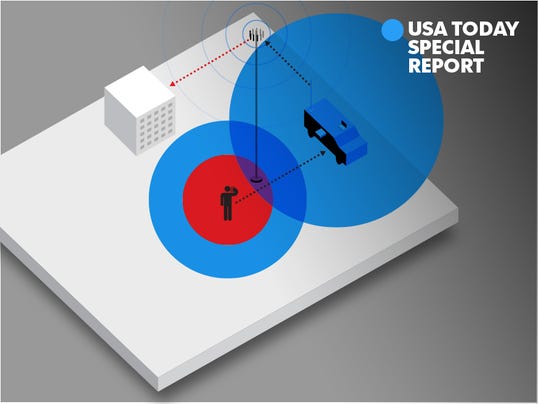 The National Security Agency isn't the only government entity secretly collecting data from people's cellphones. Local police are increasingly scooping it up, too.
Armed with new technologies, including mobile devices that tap into cellphone data in real time, dozens of local and state police agencies are capturing information about thousands of cellphone users at a time, whether they are targets of an investigation or not, according to public records obtained by USA TODAY and Gannett newspapers and TV stations.
Judge: Colorado Cakeshop Must Serve Gay Couples Despite Owner's Religious Beliefs
A Colorado judge says a baker who refused to make a wedding cake for a same-sex ceremony must serve gay couples despite his religious beliefs.
Friday's order from administrative law judge Robert N. Spencer says Masterpiece Cakeshop in suburban Denver will face fines if it continues to turn away gay couples who want to buy cakes for their wedding celebrations.
Unable To Agree On Evolution, Texas Textbook Battle Rages On
 The long-simmering battle over teaching evolution in Texas boiled over at a late-night meeting, as the Board of Education extended preliminary approval of new science books for use in classrooms across the state but held up one biology text because of alleged factual errors.
With midnight looming, some of the state education board members singled out a textbook by Pearson Education, one of America's largest publishers, on Thursday. Many of the 20 concerns pertained to the theory of evolution. After a lengthy debate that got testy at times, the board voted to have three of its members pick a trio of outside experts to further scrutinize the book.
Most of NSA’s data collection authorized by order Ronald Reagan issued
 The National Security Agency’s collection of information on Americans’ cellphone and Internet usage reaches far beyond the two programs that have received public attention in recent months, to a presidential order that is older than the Internet itself.
Approved by President Ronald Reagan in 1981, Executive Order 12333 (referred to as “twelve-triple-three”) still governs most of what the NSA does. It is a sweeping mandate that outlines the duties and foreign intelligence collection for the nation’s 17 intelligence agencies. It is not governed by Congress, and critics say it has little privacy protection and many loopholes. What changes have been made to it have come through guidelines set by the attorney general or other documents.
Illinois Legalizes Same-Sex Marriage, Legal Battles Loom in 10 More States
In the latest of nationally sweeping pro-LGBTQ legislation, Illinois governor Pat Quinn signed marriage equality into law today at University of Illinois-Chicago, making his state the 16th to legalize same-sex marriage.
“Marriage equality is coming to Illinois,” Quinn said in a Nov. 7 press release. “I look forward to signing this landmark legislation on November 20 and celebrating a big step forward with the people of Illinois.”
More Articles...
Page 93 of 224