

Oilfield services company Halliburton is in negotiations with the Nigerian government to keep its former CEO, Dick Cheney, out of prison, according to a news report.
Nigeria filed charges against Cheney this week in an investigation of alleged bribery estimated at $180 million. Prosecutors named both Halliburton and KBR in the charges, as well as three European oil and engineering companies -- Technip SA, EniSpa, and Saipem Construction.
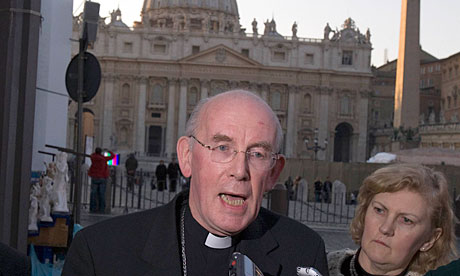 Leaked cable lays bare how Irish government was forced to grant Vatican officials immunity from testifying to Murphy commission. The Vatican refused to allow its officials to testify before an Irish commission investigating the clerical abuse of children and was angered when they were summoned from Rome, US embassy cables released by WikiLeaks reveal.
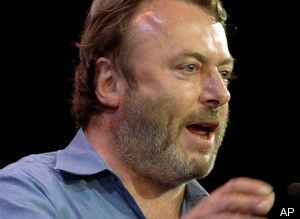 It is often in the excuses and in the apologies that one finds the real offense. Looking back on the domestic political “surge” which the populist right has been celebrating since last month, I found myself most dispirited by the manner in which the more sophisticated conservatives attempted to conjure the nasty bits away.
 Victims of U.S. drone attacks in Pakistan took to the streets for the first time here Friday, as a new report claims that there are significant numbers of civilian casualties from the strikes and a lawsuit seeks hundreds of millions of dollars in damages from the CIA for those mistakenly injured or killed.
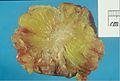 Combinations of targeted therapies for an especially aggressive type of breast cancer could potentially usher the majority of affected patients into remission, researchers at a major breast cancer meeting said Friday. Presenting results from three trials at the annual San Antonio Breast Cancer Symposium, scientists explained that administering two or more drugs designed to treat HER2-positive tumors resulted in much higher remission rates than doses of any one drug or standard chemotherapy alone.
 From the Saudi-Yemen border to lawless Somalia and the north-central African desert, the U.S. military is more engaged in armed conflicts in the Muslim world than the U.S. government openly acknowledges, according to cables released by the WikiLeaks website.
 The Obama administration is retreating on long-delayed environmental regulations — new rules governing smog and toxic emissions from industrial boilers — as it adjusts to a changed political dynamic in Washington with a more muscular Republican opposition. The move to delay the rules, announced this week by the Environmental Protection Agency, will leave in place policies set by President George W. Bush. President Obama ran for office promising tougher standards, and the new rules were set to take effect over the next several weeks.
 Wikileaks' reluctance to post the materials to the internet probably results from a combination of factors. First and foremost, they have been threatened with prosecution in the US although this author believes that is no more than a bluff and accused of having "blood on their hands" already, despite the fact that even after several months, they haven't yet released the scandalous "Afghan war logs" documents which, among other things, accused the Pakistani ISI of running a suicide bomber network in Kabul, and former DG ISI Hamid Gul of being the ISI's liaison to the Taliban.
 An FBI whistleblower has alerted that supporting WikiLeaks founder, Julius Assange and subsequently calling for revolution due to government cover-ups are intended results of a counterintelligence reverse tactic not in best interest of the public.