Few would argue that the United Nations Security Council, which has long been dominated by five powers including the United States, China, France, the United Kingdom and Russia, would not benefit from some degree of democratic reform.
Indeed, it can hardly be said that the United Nations, which was originally set up in 1945, truly reflects a more diverse 21st century world. Though ten other nations besides the big five currently serve on the council, they only stay for two years and are relegated to inferior "non-permanent" member status.
The non-permanent countries are elected on a regional basis and do not have the right to veto. Long excluded from power, influential nations such as Japan, Brazil, Germany and India have sought either permanent member status or a system of so-called "semi-permanent" membership.
In this new, revamped Security Council, newcomers would be elected for an extended 15 year term without initially being granted the right to veto.
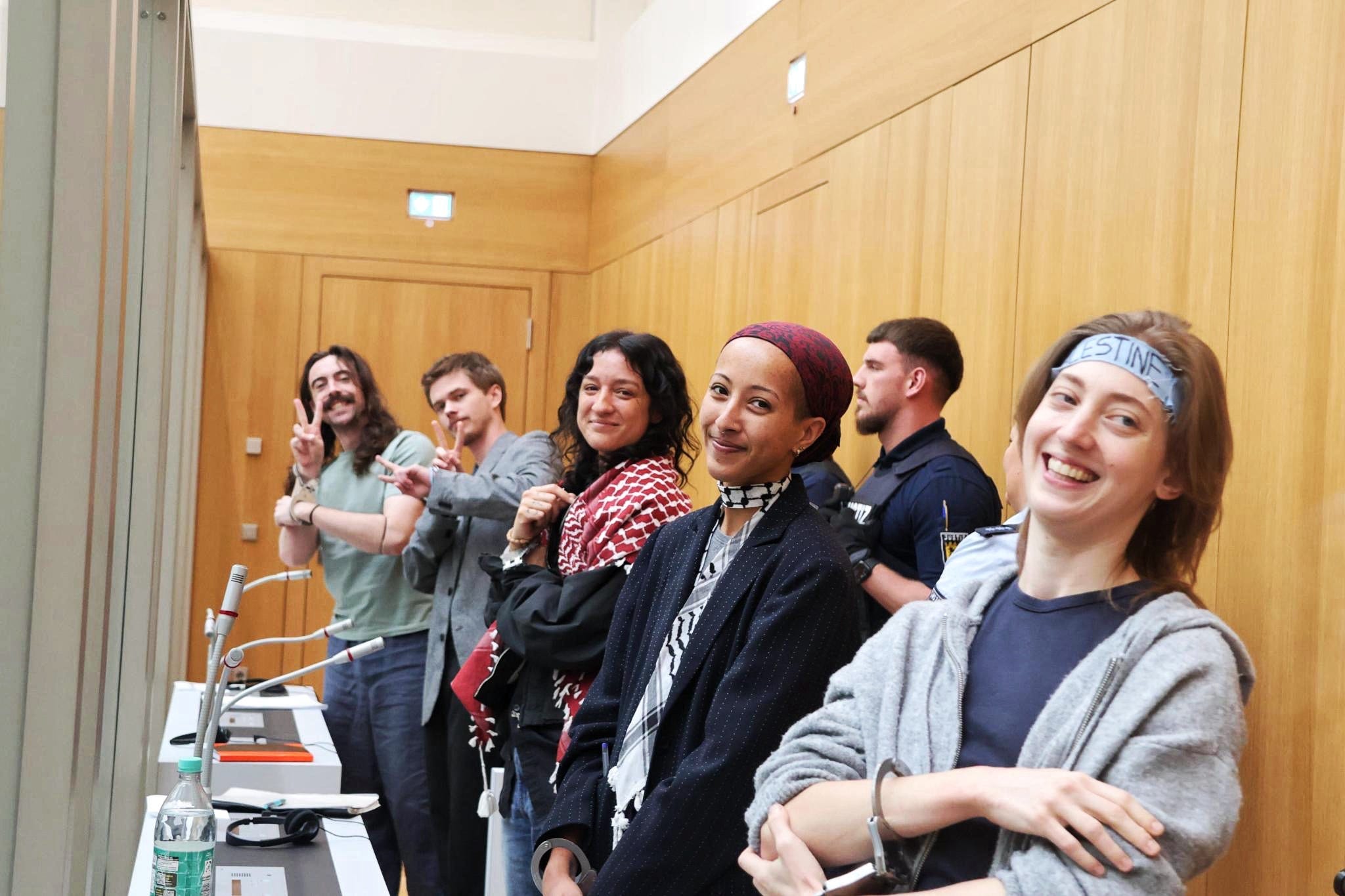 Nearly fifty years after the infamous Red Army Faction trials, Germany’s maximum-security Stammheim Prison is once...
 Denmark’s government was cautiously optimistic on Saturday following Donald Trump’s announcement of a deal on Greenland...
 Israel plans to seek additional US weapons and defence capabilities as "compensation" after Washington approved the...
 When Israel deployed its Iron Beam laser weapon for the first time last December, the announcement...