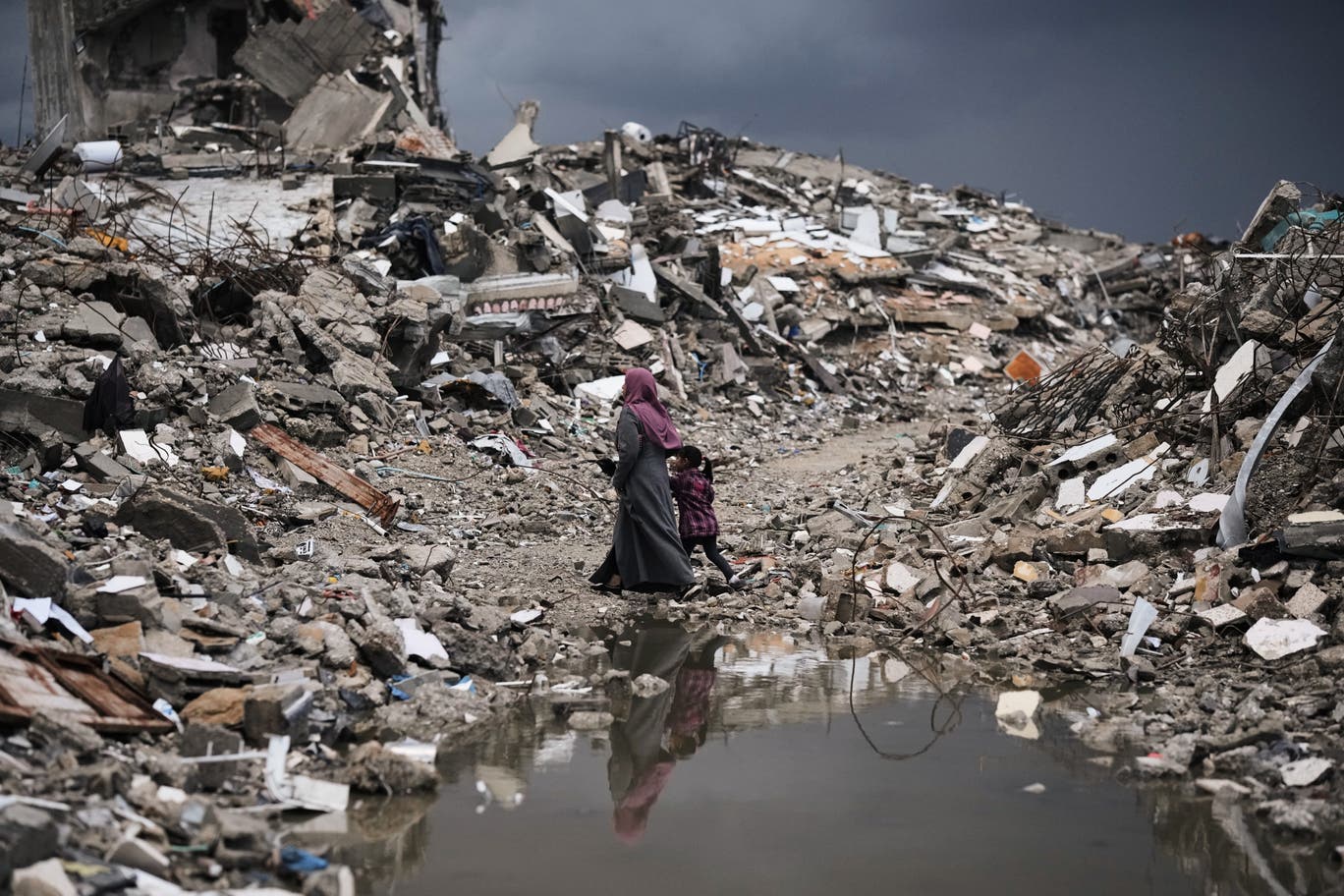
 Jaber al-Attar, a 51-year-old doctor living in northern Gaza, was elated when the news arrived of a ceasefire between Israel and Hamas, bringing an end to two years of relentless bombardment.
But just four weeks after it was announced, he received a phone call on his way to work at Al-Awda Hospital in Nuseirat to say that his daughter, Maysaa, had been killed by Israeli drone fire as she sheltered in a tent.
“There is absolutely no safety; there is no hope for us to have any security,” he tells The Independent from the same tent in the Al-Atatra area of Beit Lahia, where he is living after being displaced. “I spent my life in hardship and misery.”
Jaber’s daughter is one of at least 410 Palestinians to be killed since the ceasefire came into effect on 10 October, according to Gaza’s Health Ministry.
During a victory lap speech in the Knesset, US president Donald Trump had promised “peace for all eternity”. But for Gazans, the nightmare has not ended: it is a ceasefire in name only.
In addition to the more than 400 Palestinians who have been killed, the health ministry says that 1,134 have been injured by Israeli shelling and gunfire. At least three Israeli troops have also been killed by Palestinian militants, while two people were killed on Friday in what police called a "rolling terror attack" in northern Israel.
 Socialist candidate Emmanuel Grégoire won the Paris race Sunday, succeeding fellow party member Anne Hidalgo as...
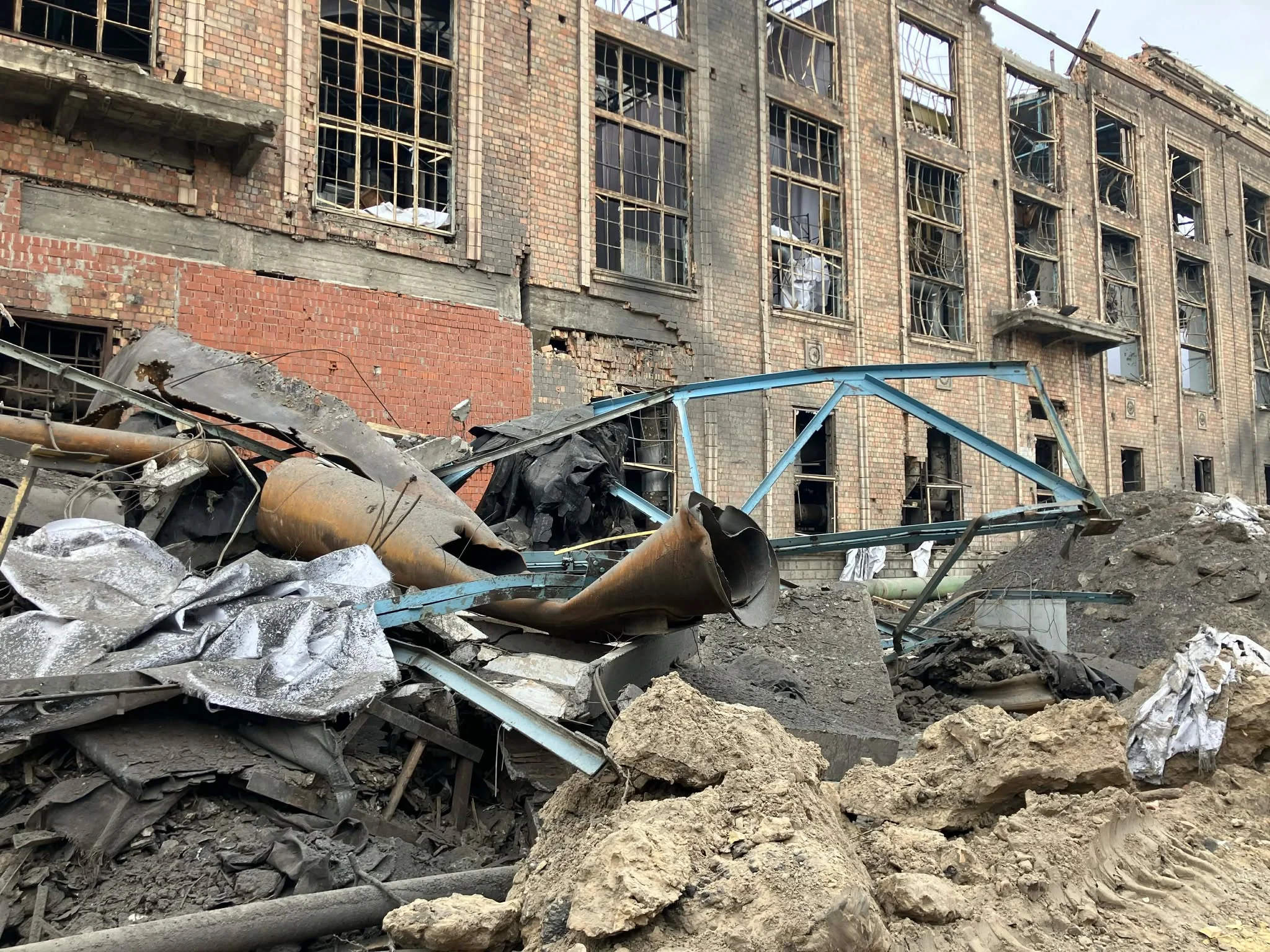 After the fourth winter of the full-scale war, Ukraine’s energy system is emerging from one of...
 Karim Khan, the chief prosecutor of the International Criminal Court, has been cleared of all wrongdoing...