On weekdays, when most kids around the world are at school, 12-year-old Mansour is in the middle of a grueling shift at the coal mines.
Deep inside a tunnel carved into the side of a blackened mountain, the young boy waits under the flickering glow of his headlamp as older boys pry coal out of the earth by pickaxe and hand, while others shovel the piles into sacks strapped onto the backs of donkeys.
From there, it is Mansour's job — from dawn until dusk — to lead the coal-laden donkeys out of a labyrinth of crumbling tunnels down the mountain in this remote part of Baghlan province, 180 miles north of Kabul. Here, the so-called black gold is bagged and loaded onto trucks, mostly bound for neighboring countries.
"My family sent me to work here last year," he says. He's wearing no protective equipment — no mask, no goggles, just a pair of cheap rubber shoes he's sliced open to let his feet breathe, with toes blackened by coal dust peeking out. "What they pay me goes directly to my family."
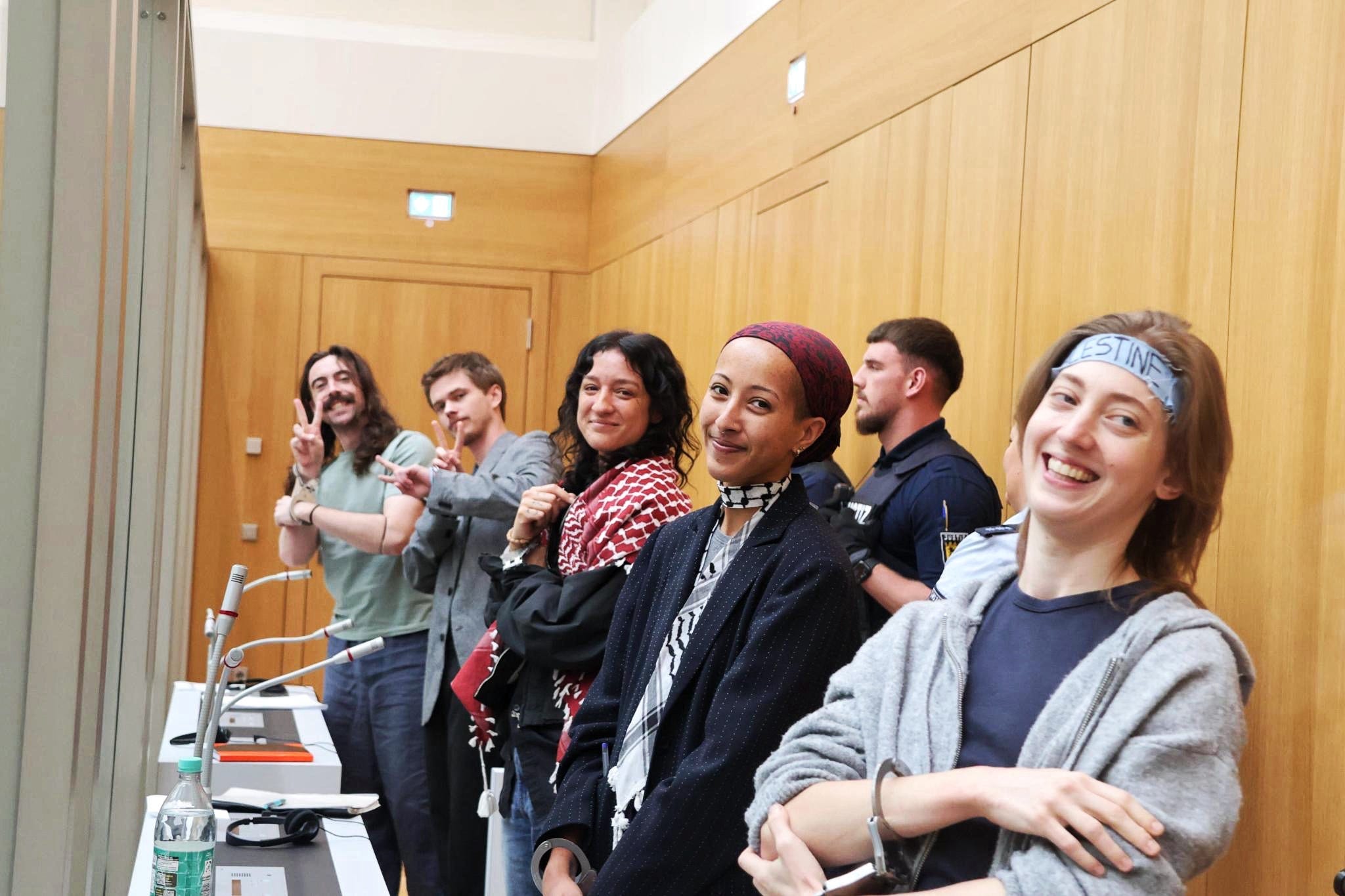 Nearly fifty years after the infamous Red Army Faction trials, Germany’s maximum-security Stammheim Prison is once...
 Denmark’s government was cautiously optimistic on Saturday following Donald Trump’s announcement of a deal on Greenland...
 Israel plans to seek additional US weapons and defence capabilities as "compensation" after Washington approved the...
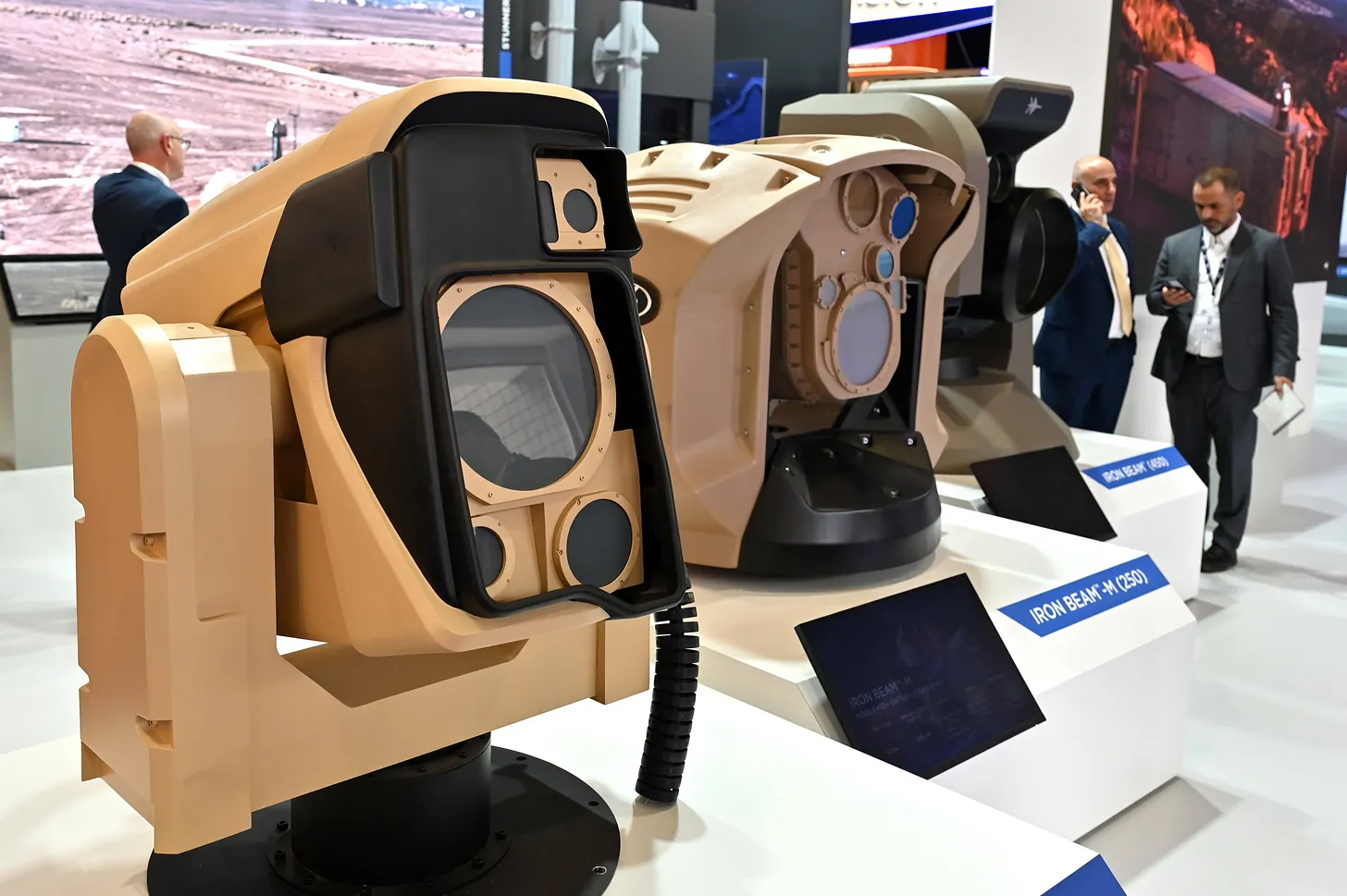 When Israel deployed its Iron Beam laser weapon for the first time last December, the announcement...