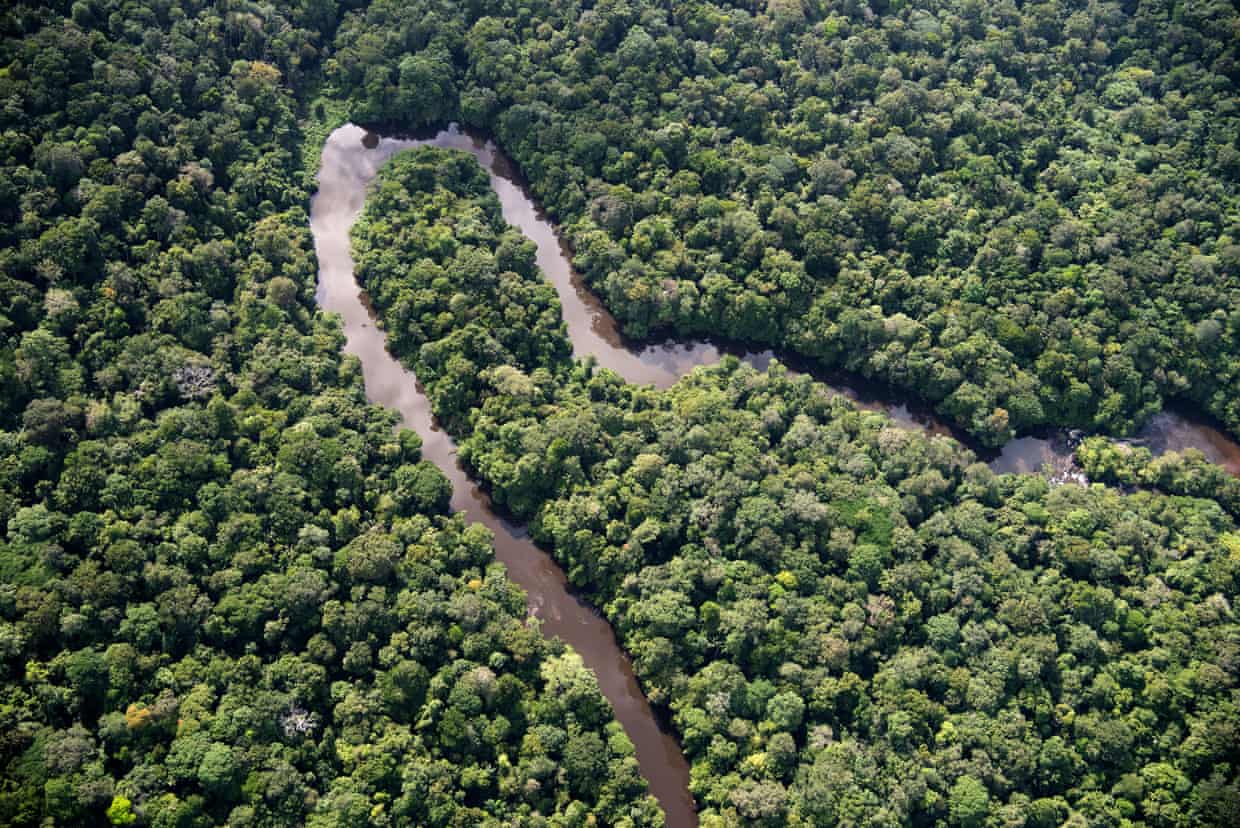
The world’s greatest forests could lose more than half of their plant species by the end of the century unless nations ramp up efforts to tackle climate change, according to a new report on the impacts of global warming on biodiversity hotspots.
Mammals, amphibians, reptiles and birds are also likely to disappear on a catastrophic scale in the Amazon and other naturally rich ecosysterms in Africa, Asia, North America and Australia if temperatures rise by more than 1.5C, concludes the study by WWF, the University of East Anglia and the James Cook University.
The research in the journal Climate Change examined the impact of three different levels of warming – 2C (the upper target in the 2015 Paris agreement), 3.2C (the likely rise given existing national commitments) and 4.5C (the forecast outcome if emissions trends remain unchanged) on nearly 80,000 plant and animal species in 35 of the world’s most biodiverse regions.
 New York City’s top watchdog agency has hired a team of lawyers to investigate exactly what...
 Earth cooked to its hottest month on record in August, blowing far past a key climate...