Only some of the Native American tribes in North Dakota are collecting on the oil rush bounty, and everyone is paying for the environmental costs.
When the black gold rush began, no one on the Fort Berthold Indian Reservation expected it to take down Main Street.
A modest strip of one- and two-story buildings framed by undulating plains, Main Street doubled as the reservation’s community hub, in the tradition of small towns. Neighbors caught up at the Jack and Jill grocery, elders strolled to the library, children rode their bikes on the streets.
No one imagined tanker trucks barreling up and down Main Street, back-to-back like freight trains, seven days and nights a week. No one predicted construction zones that grind traffic to a halt as far as the eye can see, the deafening clatter of semis, the dust kicked up by 10,000 vehicles pulverizing the two-lane road every day or the smell and taste of diesel. No one anticipated the accidents, two or more a week on Main Street and all over the rutted reservation roads, costing lives and shattering families.
 The sky outside is hazy orange, and my five-year-old son is screaming bloody murder. “Sorry, buddy,...
 A tornado struck north-eastern Wisconsin on Monday, blackening the midday sky and sending workers sheltering in...
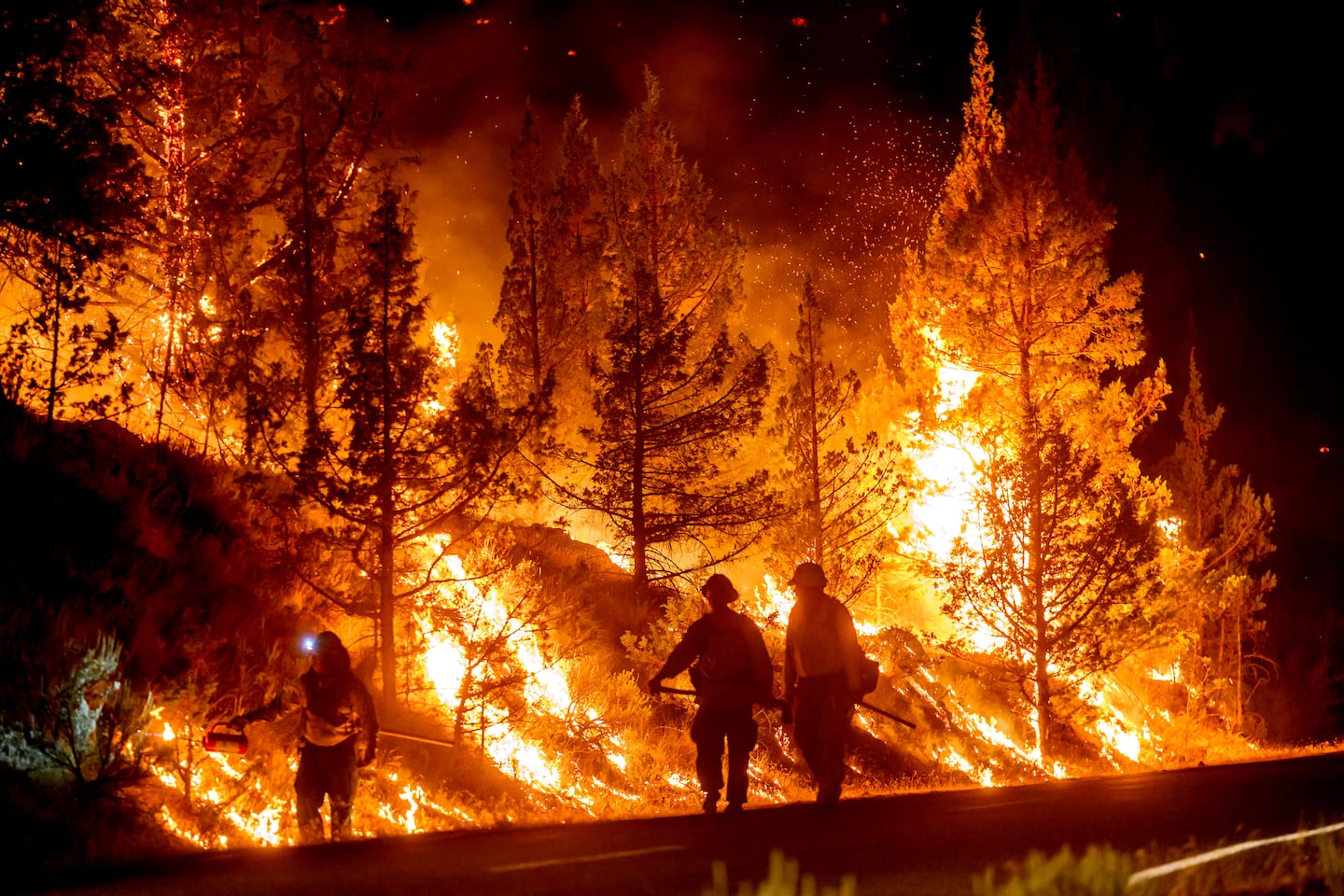 Large swaths of Central Oregon have become consumed by wildfire, with several blazes burning across the...
 At least 40 million people were under extreme heat warnings across central and southern parts of...